
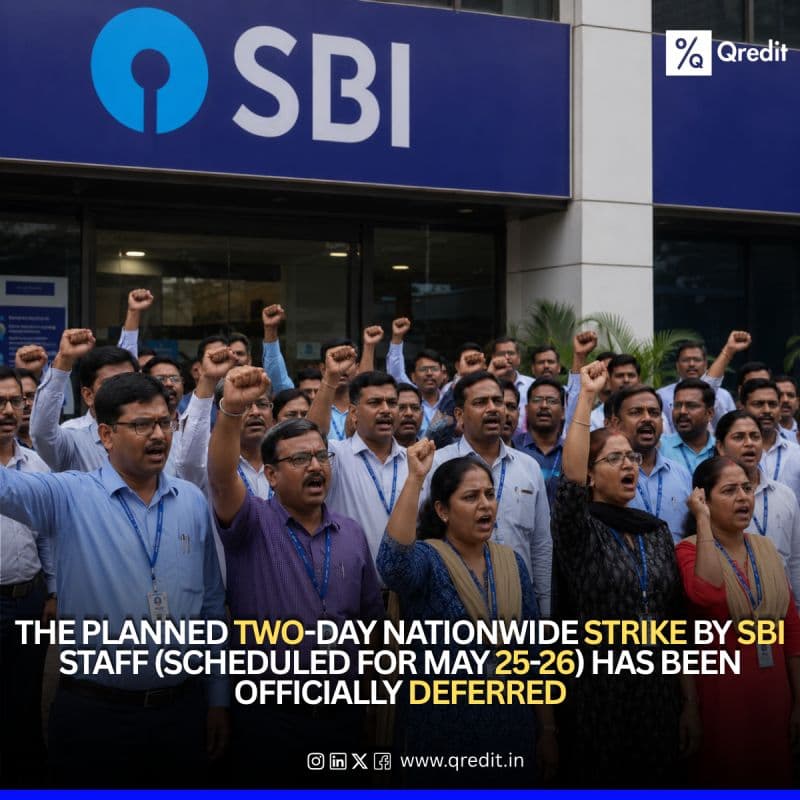
The strike was called over more than wages. The union's core grievance centred on staff shortages, increased workloads, and aggressive outsourcing of permanent roles—issues that have compounded as SBI digitizes operations across its network.
Even as banks reduce clerical hiring through digitalization, the compliance, regulatory, and customer-service workload at branch level has not declined proportionally. This mismatch is driving employee burnout and operational strain.
Management and the All India State Bank of India Staff Federation (AISBISF) reached consensus in Mumbai, averting what could have been significant macroeconomic clearing disruptions. The resolution defers the immediate crisis but leaves the underlying structural tension unresolved.
-800x450.jpg&w=3840&q=75)
-800x450.jpg&w=3840&q=75)
-800x450.jpg&w=3840&q=75)
-800x450.jpg&w=3840&q=75)
-800x450.jpg&w=3840&q=75)
-800x450.jpg&w=3840&q=75)
-800x450.jpg&w=3840&q=75)
-800x450.jpg&w=3840&q=75)