FinsamudraThe Lending DeskFinsamudra Newsroom, home

Banking & NBFCs · Daily brief

Remuneration as Risk Architecture: Why HDFC Bank Elevated Ranga Subramanian to Head Total Rewards

Managing the compensation of 2,000 employees is an HR job. Managing the total rewards of 200,000+ bankers across a ₹40-lakh-crore balance sheet is a regulatory risk and capital allocation mandate.

200,000+LEADERSHIP

FINSAMUDRA DESK · 30 Sept 2026, 12:41 pm IST · 2 MIN

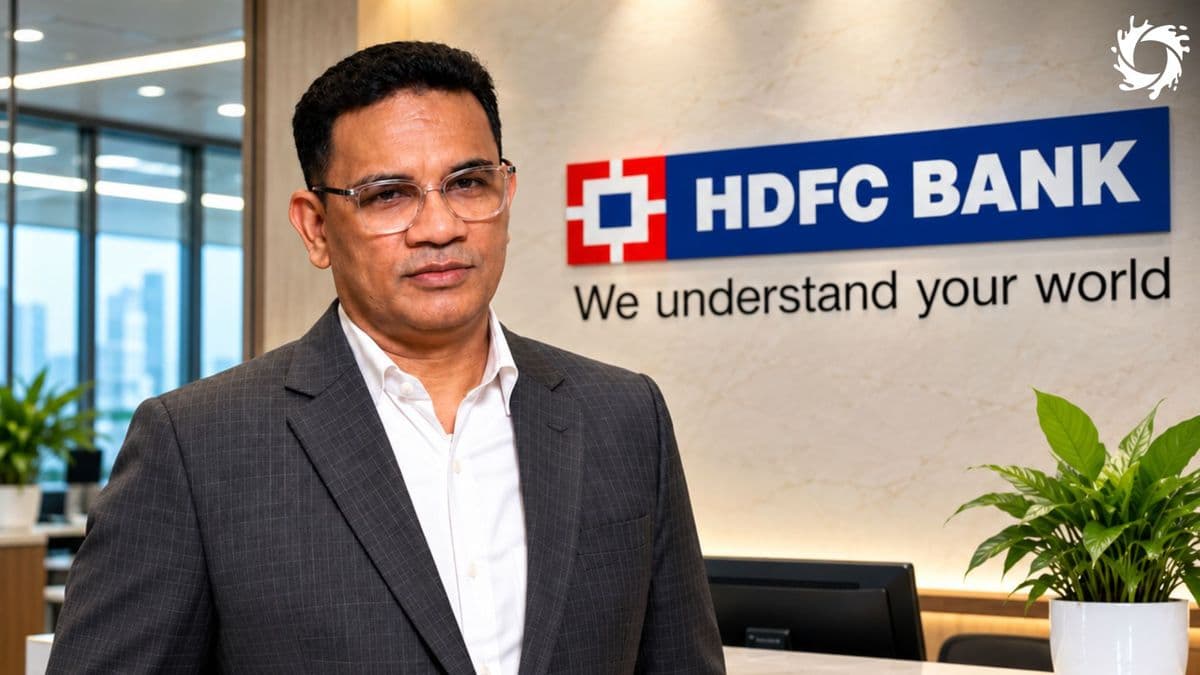
Hero Image
Image: -Finsamudra

HDFC Bank Elevates Ranga Subramanian to Head Total Rewards: Why Remuneration is Modern Risk Architecture

In his elevated capacity, his portfolio spans:

  • Compensation & Benefits (C&B)
  • Recognition & Long-Term Incentives (ESOPs / PSUs)
  • Reward Governance
  • International Business HR Support
  • HR Risk & Regulatory Governance

The Strategic Mandate: Managing Pay at 200,000 Scale

Following its mega-merger with HDFC Limited, HDFC Bank's balance sheet swelled past ₹40 lakh crore, backed by an active workforce of over 200,000 employees.

Managing Total Rewards at this institutional scale involves three critical operational priorities:

1. Post-Merger Pay Harmonization

Integrating a massive housing finance institution with a commercial banking network created overlapping compensation grids, legacy pension obligations, and disparate bonus frameworks. Standardizing pay scales across retail branches, corporate banking, and digital operations without inflating the bank's cost-to-income ratio is vital for quarterly return on assets (RoA).

2. RBI's "Risk-Aligned" Compensation Guardrails

Under Reserve Bank of India (RBI) Master Directions on bank compensation:

  • Variable pay is strictly capped against fixed remuneration.
  • A minimum of 50% of variable compensation for Material Risk Takers (MRTs) must be deferred over a 3- to 5-year period.
  • Strict malus and clawback clauses apply if loans subsequently turn toxic.

Total Rewards is no longer a standard administrative HR desk—it is a frontline regulatory compliance engine designed to prevent volume-chasing and mis-selling.

3. Rewarding the Tech & Relationship Pivot

As routine clerical tasks are absorbed by automated platforms and internal AI models (like Neev), HDFC Bank’s hiring is shifting toward specialized engineering, cyber security, and front-line relationship management. Structuring long-term equity incentives (ESOPs) to retain top digital talent while managing retail attrition is central to defending the bank's operational moat.

Career Background

Prior to his 13-year tenure at HDFC Bank—where he led talent pipeline initiatives including the Leadership Excellence Program (LXP) with Manipal Global—Subramanian held key HR roles at Scope International (Standard Chartered) and Bharti Cellular.

More on HDFC Bank

Every story on HDFC Bank →

Sources


Free daily briefing

The day's money story, before the market opens

The same daily intelligence 30,000+ CXOs, DSAs and finance professionals follow on LinkedIn — with the Finsamudra take on what it means for lending.