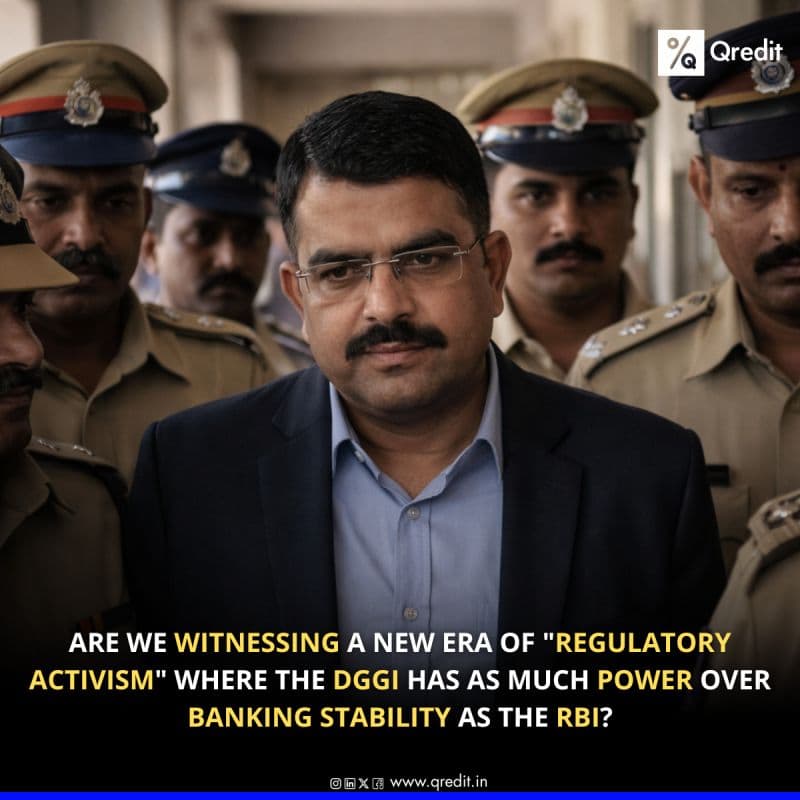
The Directorate General of GST Intelligence (DGGI) has arrested Fino Payments Bank MD & CEO Rishi Gupta on charges related to Input Tax Credit (ITC) discrepancies. The move signals intensified regulatory oversight of fintech leadership and tax compliance practices across the banking sector.
The case raises a critical question: should sitting CEOs face criminal liability for granular tax filing errors managed by sub-departments? Fino's arrest suggests regulators are prepared to hold top management directly accountable for tax compliance breaches, regardless of operational hierarchy.
-800x450.jpg&w=3840&q=75)
-800x450.jpg&w=3840&q=75)
-800x450.jpg&w=3840&q=75)
-800x450.jpg&w=3840&q=75)
-1-800x450.jpg&w=3840&q=75)
-800x450.jpg&w=3840&q=75)
-800x450.jpg&w=3840&q=75)