
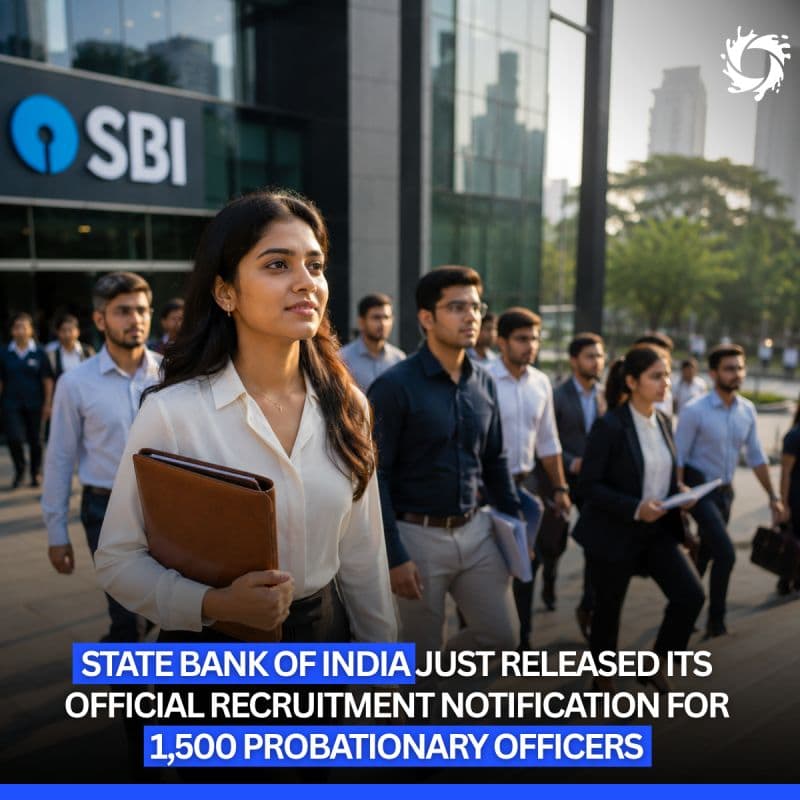
State Bank of India has announced a recruitment drive for 1,500 new branch leaders, with registrations closing on July 8. The hiring push underscores a counter-intuitive reality in Indian banking: despite digital-first competition and automated credit pipelines, the physical branch network remains essential to customer acquisition and deposit mobilisation.
While fintech platforms excel at automating transactions and fraud detection, they struggle to replicate trust—the currency that matters most in semi-urban and rural India. SBI's branch footprint lets it dominate deposits across tier-2 and tier-3 cities, a moat that private digital banks cannot replicate through marketing spend alone.
-800x450.jpg&w=3840&q=75)
-800x450.jpg&w=3840&q=75)
-800x450.jpg&w=3840&q=75)
-800x450.jpg&w=3840&q=75)
-800x450.jpg&w=3840&q=75)
-800x450.jpg&w=3840&q=75)
-800x450.jpg&w=3840&q=75)
-800x450.jpg&w=3840&q=75)