FinsamudraFinsamudra
Banking & NBFCsDaily brief

NCDRC orders Axis Bank to pay ₹3.19 crore for refusing demonetised currency deposits

A decade-old ruling on the 2016 demonetisation period exposes how banks' crisis-era decisions face legal and regulatory scrutiny years after the event.

F

Finsamudra Desk

16 Mar 2026, 10:09 am IST · 2 min read

₹3.19 crorePenalty ordered by NCDRCNearly a decadeTime elapsed since demonetisation
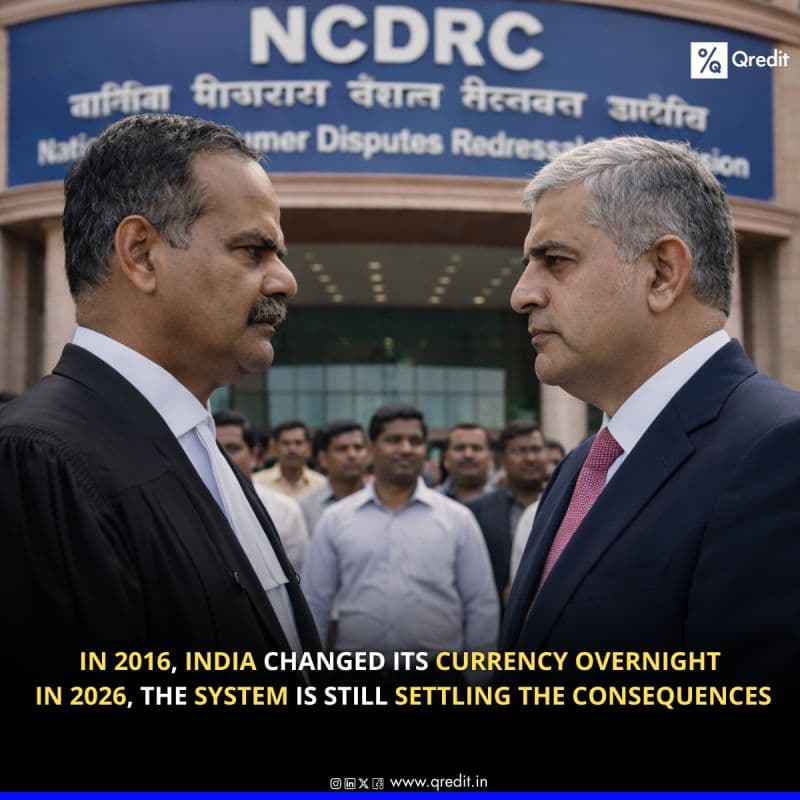
'India’s apex consumer court, the National Consumer Disputes Redressal Commission (NCDRC), has ordered Axis Bank to pay ₹3.19 crore after it refused to accept demonetised currency
Image: Finsamudra LinkedIn archive

The National Consumer Disputes Redressal Commission (NCDRC) has ordered Axis Bank to pay ₹3.19 crore after the lender refused to accept demonetised currency deposits during the 2016 transition period. The ruling, delivered nearly a decade later, underscores that operational choices made under policy shock remain subject to long-term legal challenge.

Demonetisation created unprecedented operational strain on India's banking system. Banks faced regulatory updates, compliance checks, logistical bottlenecks, and millions of customers queuing to deposit invalidated notes. The pressure to manage queues and verify cash created a complex operational environment that tested institutional capacity.

Yet the NCDRC's decision signals that extraordinary circumstances do not exempt banks from accountability. Crisis management decisions—no matter how operationally justified at the time—remain open to legal and regulatory scrutiny. The ruling establishes that customer service standards and compliance obligations persist even during policy disruptions.

For the financial system, this outcome reinforces a principle: handling a crisis moment is separate from defending those decisions in court years later. Banks must document their decision-making, ensure compliance with regulatory guidance, and maintain service standards—even when systems are under stress.

The case also raises a wider question about institutional accountability during policy shocks. While demonetisation was a singular event, the ruling applies pressure to how banks manage future crises, from liquidity events to regulatory transitions. Trust and compliance remain foundational to banking relationships.

Sources

Join the conversation on LinkedIn →

Free daily briefing

The day's money story, before the market opens

The same daily intelligence 30,000+ CXOs, DSAs and finance professionals follow on LinkedIn — with the Finsamudra take on what it means for lending.