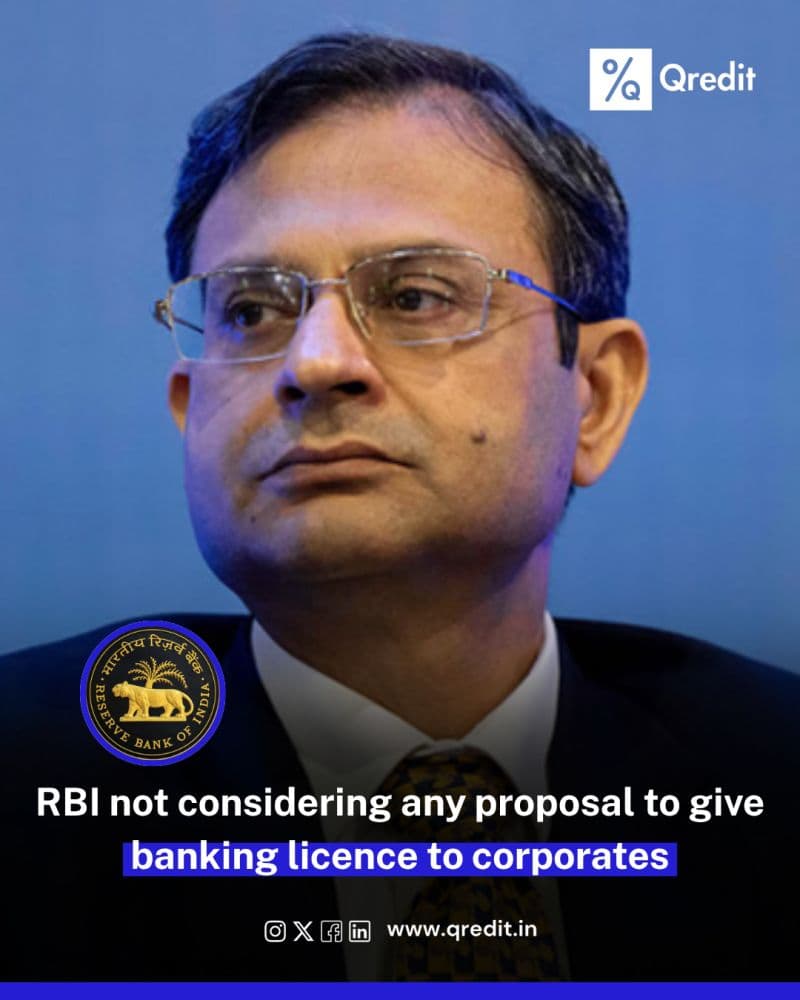
Reserve Bank of India Governor Sanjay Malhotra has definitively rejected any proposal to grant banking licences to corporate entities, either directly or through NBFC subsidiaries. The move underscores the RBI's stance that allowing industrial conglomerates to operate both business divisions and deposit-taking institutions creates an unacceptable conflict of interest.
Malhotra's position reflects the central bank's long-standing concern that dual operations—managing real-world industrial assets alongside depositor funds—introduces systemic risk. The RBI views such a structure as fundamentally compromising the safety and integrity of the banking system.
On ownership concentration, the RBI has reaffirmed that the 26% promoter voting rights cap in private sector banks will remain in place. There is no plan to review or relax this cap, signalling the RBI's commitment to wide-based ownership and protection against undue corporate influence in the banking sector.
-800x450.jpg&w=3840&q=75)
-800x450.jpg&w=3840&q=75)
-800x450.jpg&w=3840&q=75)
-800x450.jpg&w=3840&q=75)
-1-800x450.jpg&w=3840&q=75)
-800x450.jpg&w=3840&q=75)
-800x450.jpg&w=3840&q=75)