FinsamudraFinsamudra
RBI & PolicyDaily brief

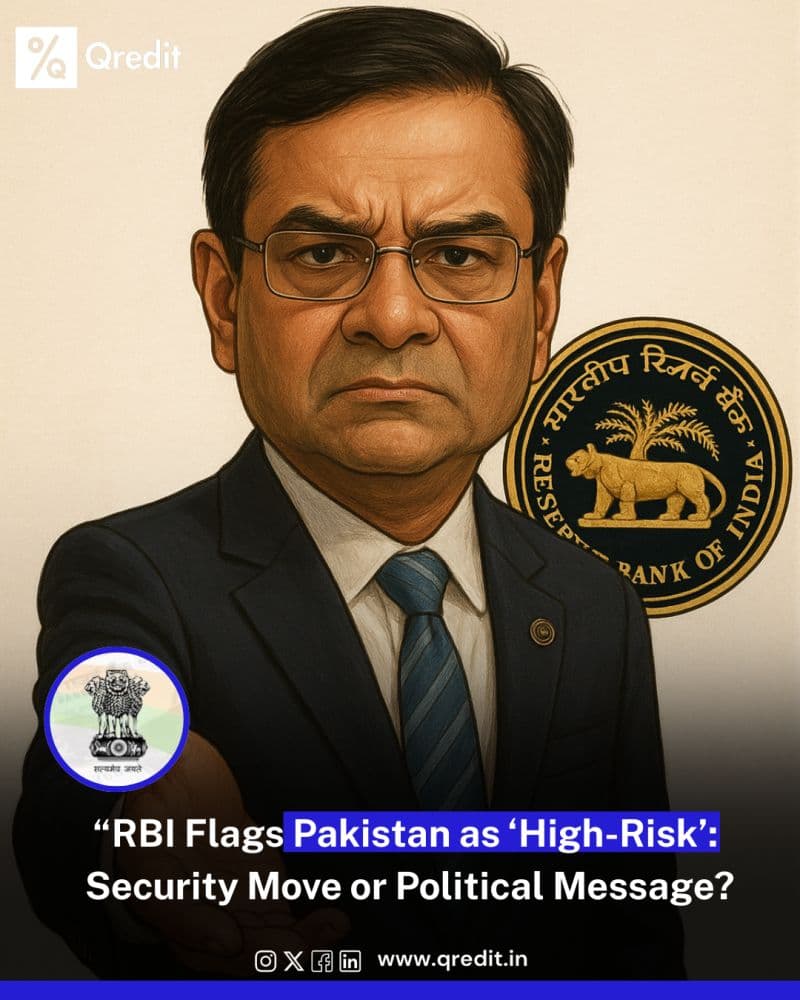
RBI flags indirect fund flows from Pakistan as high-risk after conflict investigations

On August 6, 2025, the Reserve Bank issued an advisory requiring banks to tighten scrutiny over funds routed through third countries from Pakistan, citing terror financing and arms procurement concerns.

F

Finsamudra Desk

27 Aug 2025, 1:55 pm IST · 2 min read

🔒 India Flags Indirect Fund Flows from Pakistan as “High-Risk”
Image: Finsamudra LinkedIn archive

The RBI's move follows investigations into the May 2025 India–Pakistan conflict, which uncovered funds being channelled into India via third-country intermediaries. The central bank has now formally classified Pakistan as a "high-risk" jurisdiction, mandating enhanced anti-money laundering (AML) and know-your-customer (KYC) checks across the banking system.

Banks and financial institutions now face operational pressure to strengthen due diligence on indirect payment routes originating from Pakistani sources. Regulatory negligence or weak compliance systems carry material penalties: reputational damage, supervisory action, and enforcement risk for institutions that fail to detect illicit flows.

Pakistan's State Bank and banking association dismissed the advisory as politically motivated, asserting their existing anti-money laundering and counter-financing of terrorism (CFT) frameworks comply with international standards. The dispute underscores mounting cross-border financial tension even as global bodies like the Financial Action Task Force (FATF) intensify focus on proliferation financing and sanctions evasion.

The advisory aligns India's banking oversight with international financial security norms. Third-country routing mechanisms—particularly through Southeast Asian hubs, Middle Eastern intermediaries, and informal channels—are now under heightened scrutiny across the sector.

For compliance teams, the order is unambiguous: review correspondent banking relationships, audit transaction flows from high-risk jurisdictions, and flag suspicious remittance patterns. The RBI has effectively signalled that Pakistan-origin funds, regardless of transit points, warrant enhanced vetting.

This regulatory shift reflects a broader fusion of national security doctrine with financial regulation. As geopolitical tensions drive policy, India's lending ecosystem must absorb compliance costs and operational friction to maintain banking system integrity.

Sources

Join the conversation on LinkedIn →

Keep reading

More from RBI & Policy

Free daily briefing

The day's money story, before the market opens

The same daily intelligence 30,000+ CXOs, DSAs and finance professionals follow on LinkedIn — with the Finsamudra take on what it means for lending.