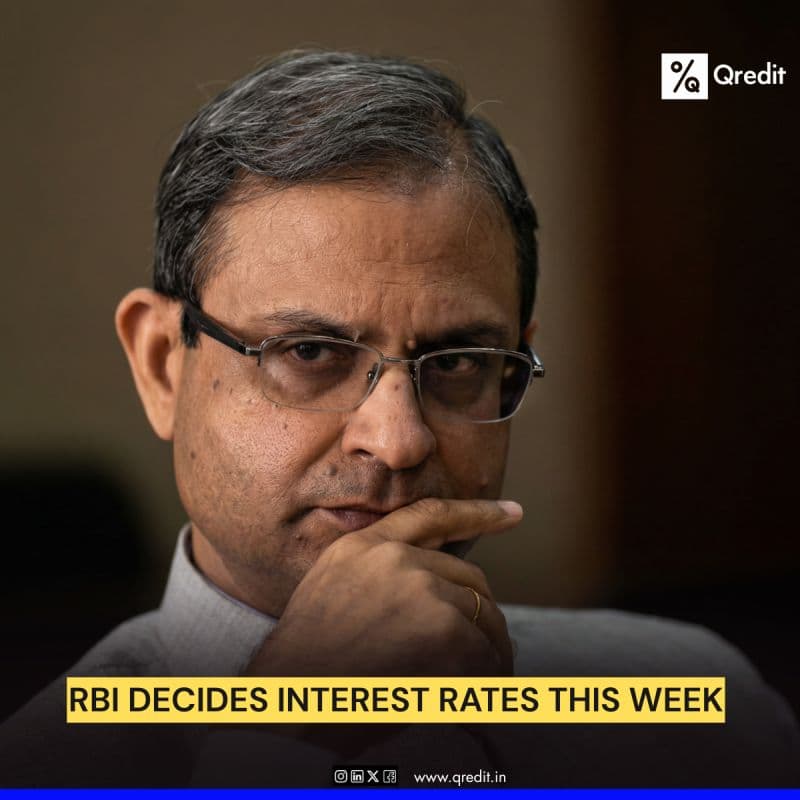
The RBI's repo rate stands at 5.25%, down from 6.5% through cuts made in 2025. On April 8, the Monetary Policy Committee will announce its next move—one that will ripple across home loans, currency markets, and India's economic trajectory.
The rupee has become the immediate pressure point. It hit a record low of ₹93.94/USD in March, weakening 3.6% year-to-date. Crude oil has climbed to $100/barrel, adding fuel to inflation concerns and forcing the RBI's hand.
-800x450.jpg&w=3840&q=75)
-800x450.jpg&w=3840&q=75)
-800x450.jpg&w=3840&q=75)
-800x450.jpg&w=3840&q=75)
-1-800x450.jpg&w=3840&q=75)
-800x450.jpg&w=3840&q=75)
-800x450.jpg&w=3840&q=75)