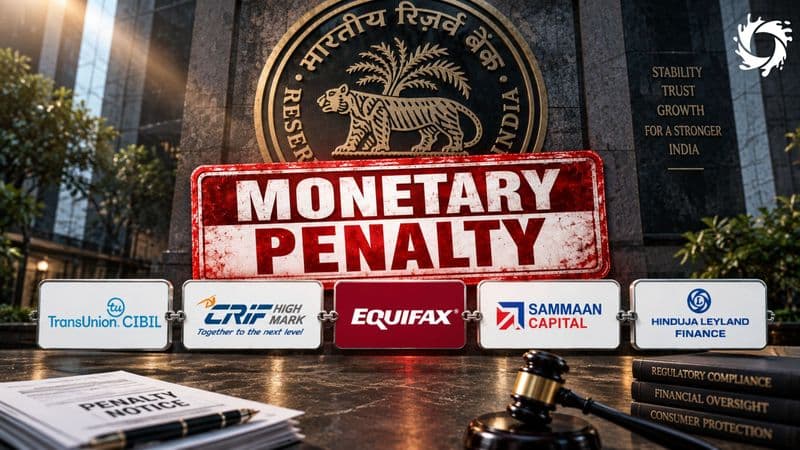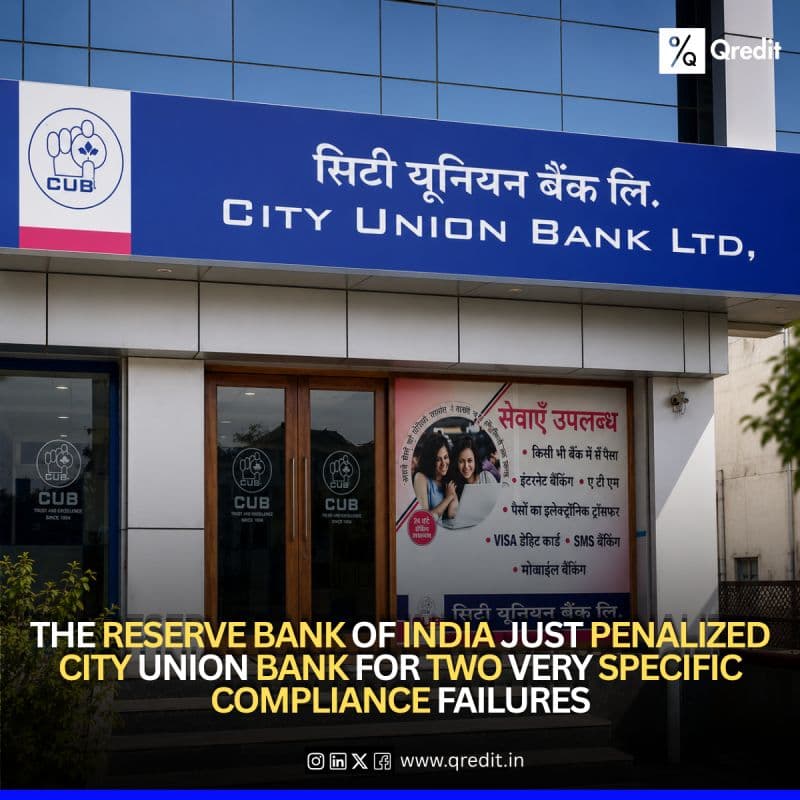
The RBI's Statutory Inspection for Supervisory Evaluation uncovered two distinct compliance failures. First, the bank levied loan-related charges on agriculture priority sector loans under ₹25,000, breaching RBI protections designed specifically for small-ticket agricultural borrowers. Second, the bank failed to report granular, member-level data for Self Help Groups (SHGs) to Credit Information Companies (CICs), submitting aggregate data instead.
Priority sector regulations shield farmers from ancillary charges on loans below ₹25,000. The violation suggests the bank's automated core banking system did not apply these exemptions correctly—a mechanical failure with regulatory consequences.
The data reporting gap reflects a broader shift in RBI supervisory practice. Credit bureaus now demand member-level transparency for SHGs rather than consolidated figures. Banks treating this as optional face formal reprimand.
-800x450.jpg&w=3840&q=75)
-800x450.jpg&w=3840&q=75)
-800x450.jpg&w=3840&q=75)
-800x450.jpg&w=3840&q=75)
-1-800x450.jpg&w=3840&q=75)
-800x450.jpg&w=3840&q=75)
-800x450.jpg&w=3840&q=75)