India's term money market—where financial institutions lend uncollateralized cash for 14 days to a year—has operated as an exclusive club for large commercial banks and primary dealers. Yesterday, the RBI released draft directions that fundamentally reshape access to this pool.
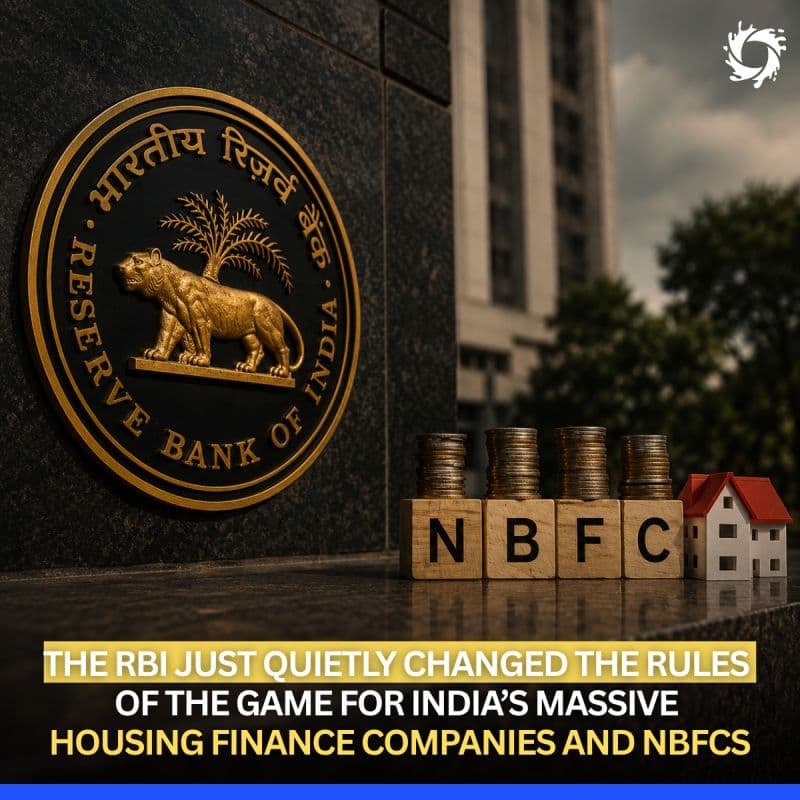
The new proposal allows All India Financial Institutions (NABARD, SIDBI) and Housing Finance Companies to participate as both active lenders and borrowers. HFCs can borrow up to 200% of their net owned funds in this uncollateralized market, signaling regulatory confidence in their stability.
Housing finance companies currently depend on expensive commercial bank loans and volatile bond markets for short-term liquidity. Direct access to the term money market will lower their overall cost of funds by tapping a deeper, more stable inter-bank liquidity pool.
-800x450.jpg&w=3840&q=75)
-800x450.jpg&w=3840&q=75)
-800x450.jpg&w=3840&q=75)
-800x450.jpg&w=3840&q=75)
-1-800x450.jpg&w=3840&q=75)
-800x450.jpg&w=3840&q=75)
-800x450.jpg&w=3840&q=75)